
Expert Insights: Navigating California's Construction Regulations
Understanding California's Construction Regulations
California's construction industry is renowned for its complexity, not just because of the diverse projects that arise but also due to the intricate regulations that govern them. For both seasoned professionals and newcomers alike, navigating these regulations is crucial for successful project execution. This guide offers insights from experts on how to effectively manage and comply with the state's construction laws.

The Importance of Local Permits
One of the foundational steps in any construction project is obtaining the necessary permits. California requires permits for a variety of construction activities, from new builds to significant renovations. Understanding the specific permits required for your project can prevent costly delays and legal issues. It's essential to check with local authorities to ensure compliance with all local ordinances.
Additionally, some areas in California may have unique environmental requirements. Adhering to these guidelines not only ensures legal compliance but also promotes sustainable building practices.
Environmental and Safety Regulations
California is a leader in environmental regulation, and this extends to construction. Regulations often include standards for waste management, emissions, and energy efficiency. Builders must stay informed about these requirements to avoid penalties and contribute to eco-friendly construction practices.
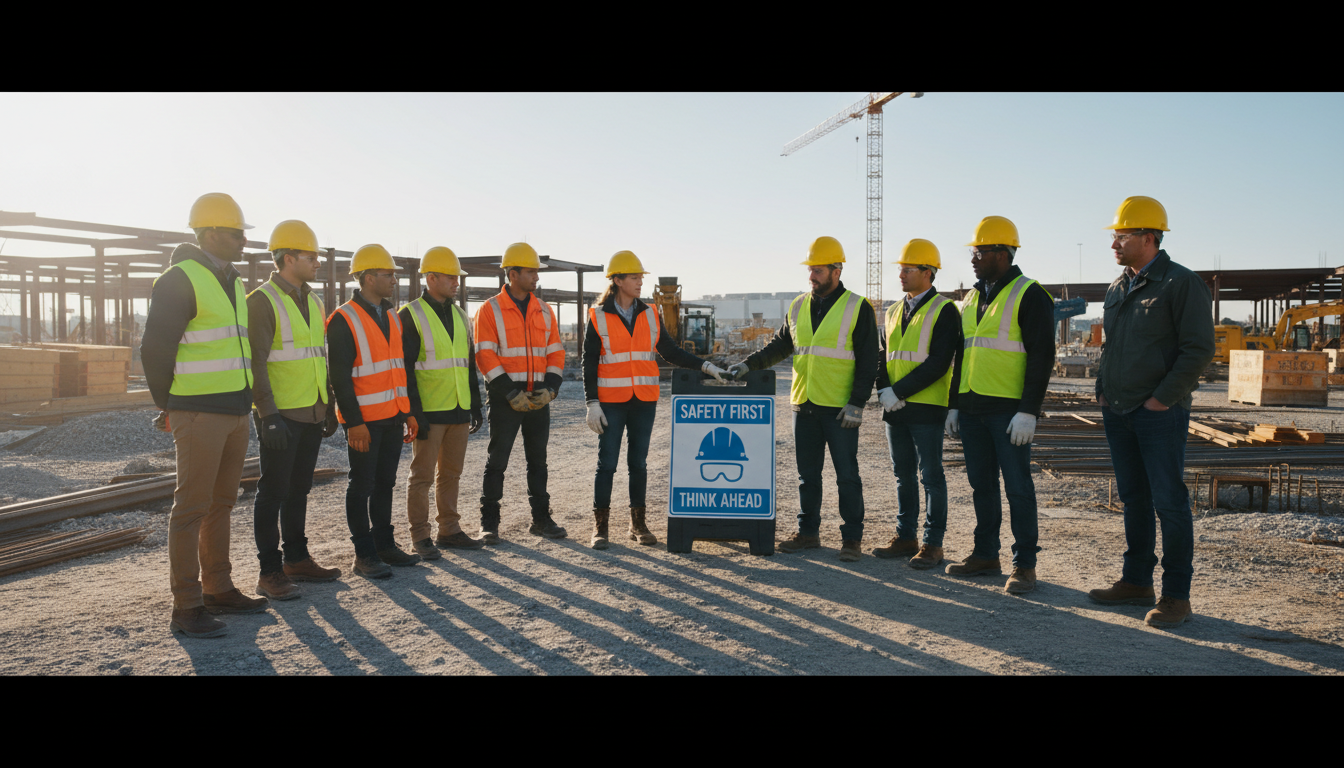
Safety regulations are equally critical. The state enforces strict guidelines to protect workers, including requirements for safety gear and procedures. Regular training and updates on safety protocols are mandatory to maintain a safe work environment.
Adapting to Seismic Standards
Given California's seismic activity, construction projects must adhere to rigorous earthquake safety standards. These regulations are designed to minimize damage and protect lives in the event of an earthquake. Engaging with structural engineers who are familiar with these standards can be invaluable in ensuring that buildings are designed to withstand seismic forces.
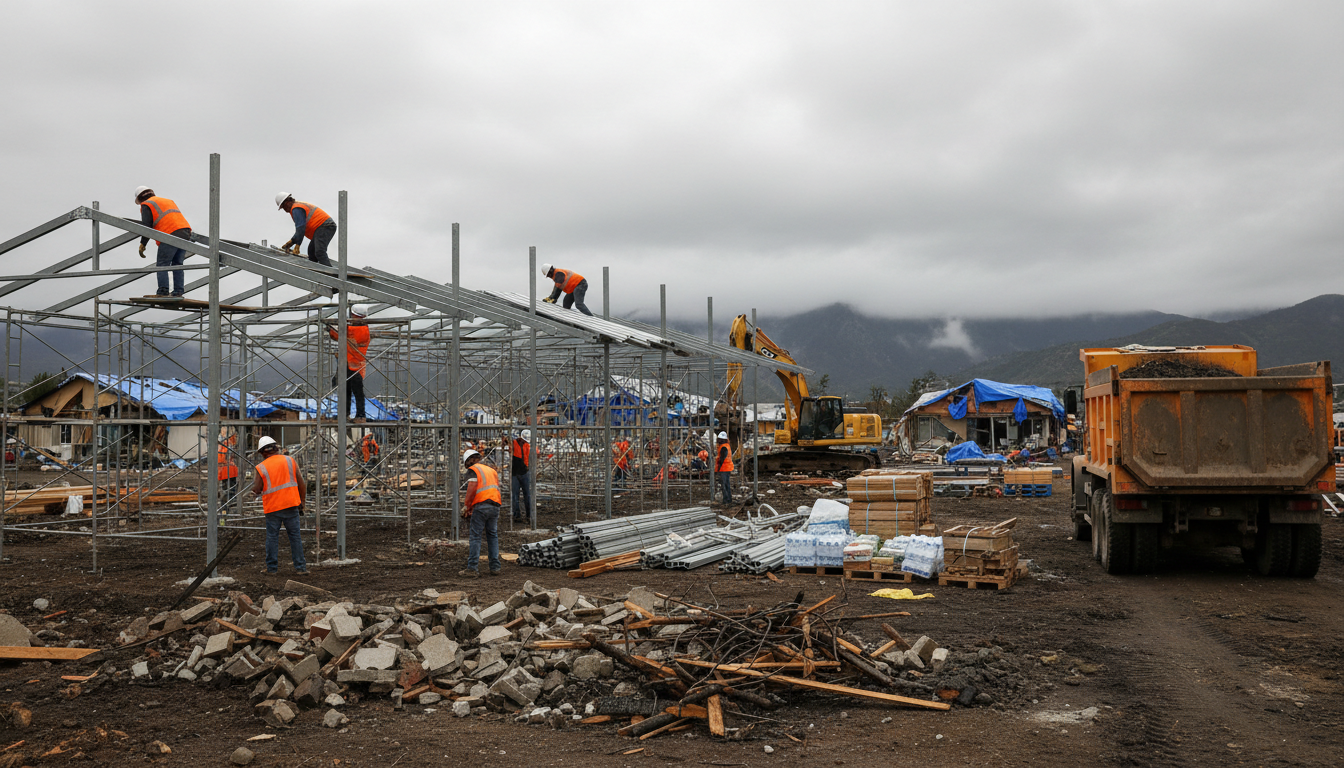
Incorporating the latest technology and materials that enhance seismic resilience can also provide a competitive edge in the construction industry. Staying updated with advancements in seismic design is crucial for long-term success.
Working with Industry Experts
Collaboration with industry experts can be a game-changer when navigating California's complex regulations. Legal advisors, environmental consultants, and experienced contractors can provide insights and solutions tailored to specific project needs.
Networking within the industry through seminars and workshops can also provide valuable learning opportunities and keep you informed about regulatory changes.
Continuous Learning and Adaptation
The construction landscape in California is constantly evolving. Staying informed about legislative changes and technological advancements is vital. Subscribing to industry journals and participating in professional associations can help you remain at the forefront of the industry.

Ultimately, success in California's construction sector requires a proactive approach to understanding and complying with regulations. By leveraging expert insights and staying informed, you can navigate the complexities of the industry with confidence.