
Navigating Local Regulations: A Homeowner's Guide to Construction in Solano County


Understanding Local Regulations
Embarking on a construction project in Solano County requires a good grasp of local regulations. These rules ensure safety, environmental protection, and community harmony. Before laying the first brick, familiarize yourself with the county's building codes and zoning laws. These regulations can vary significantly between urban and rural areas.
Knowing these rules not only helps in complying with the law but also prevents costly mistakes. The Solano County Building Division is a great resource for homeowners, offering guidance and support throughout the construction process.

Securing the Necessary Permits
One of the first steps in your construction journey is securing the necessary permits. Whether you're building a new home, adding a room, or simply making renovations, permits are usually required. These permits ensure that your project meets safety standards and complies with zoning laws.
To apply for a permit, visit the Solano County Permit Center. Make sure to have detailed plans and specifications ready for submission. This will speed up the approval process and help avoid any potential delays.
Types of Permits
In Solano County, there are several types of permits you might need, including:
- Building Permits: Required for new constructions, additions, and certain renovations.
- Electrical Permits: Necessary for any electrical work, including installations and upgrades.
- Plumbing Permits: Needed for plumbing installations and repairs.
Working with Contractors
Hiring a licensed contractor is crucial for ensuring quality work and compliance with local regulations. Contractors in Solano County need to be licensed by the California Contractors State License Board (CSLB). This ensures they have the necessary skills and knowledge to handle your project.
Before hiring, verify the contractor's license and check their references. A well-chosen contractor can navigate the complexities of local regulations, saving you both time and money.

Environmental Considerations
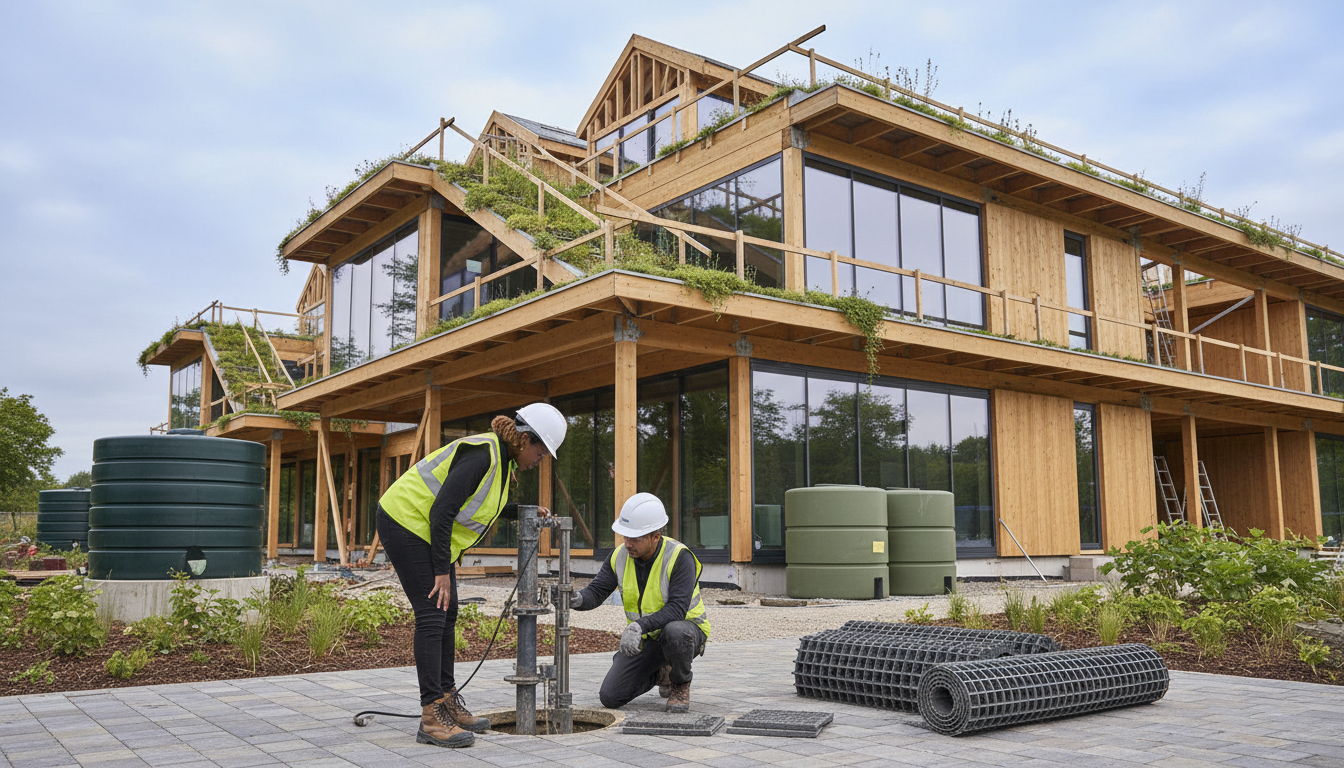
Solano County places a strong emphasis on environmental protection. Construction projects must comply with regulations designed to protect local ecosystems and natural resources. This includes managing stormwater runoff, minimizing erosion, and protecting native wildlife habitats.
Consider incorporating sustainable practices into your project. This could mean using eco-friendly materials, implementing energy-efficient designs, or installing solar panels. Not only is this good for the environment, but it may also qualify you for certain incentives and rebates.
Inspection and Compliance
Once construction is underway, regular inspections are required to ensure compliance with building codes and safety standards. These inspections are conducted by the Solano County Building Division and cover various phases of construction.
Prepare for inspections by keeping detailed records of your project. This includes plans, permits, and any changes made during construction. Being organized and cooperative with inspectors will help the process run smoothly.
Finalizing Your Project
After completing the construction, a final inspection is necessary to certify that your project meets all legal and safety requirements. Once approved, you'll receive a certificate of occupancy, marking the official completion of your project.
Remember, navigating local regulations might seem daunting, but with the right preparation and resources, your construction project in Solano County can be a rewarding experience. By understanding and adhering to these guidelines, you ensure a safe and successful build.