
Sustainable Building Practices: Transforming Construction in California


The Rise of Sustainable Building Practices
In recent years, California has been at the forefront of a transformative shift towards sustainable building practices. As environmental concerns continue to grow, the construction industry is increasingly adopting methods that reduce its carbon footprint and promote ecological balance.
Sustainable building practices encompass a range of strategies, from using eco-friendly materials to implementing energy-efficient systems. These practices not only help conserve the environment but also offer long-term economic benefits for builders and occupants alike.
Eco-Friendly Materials
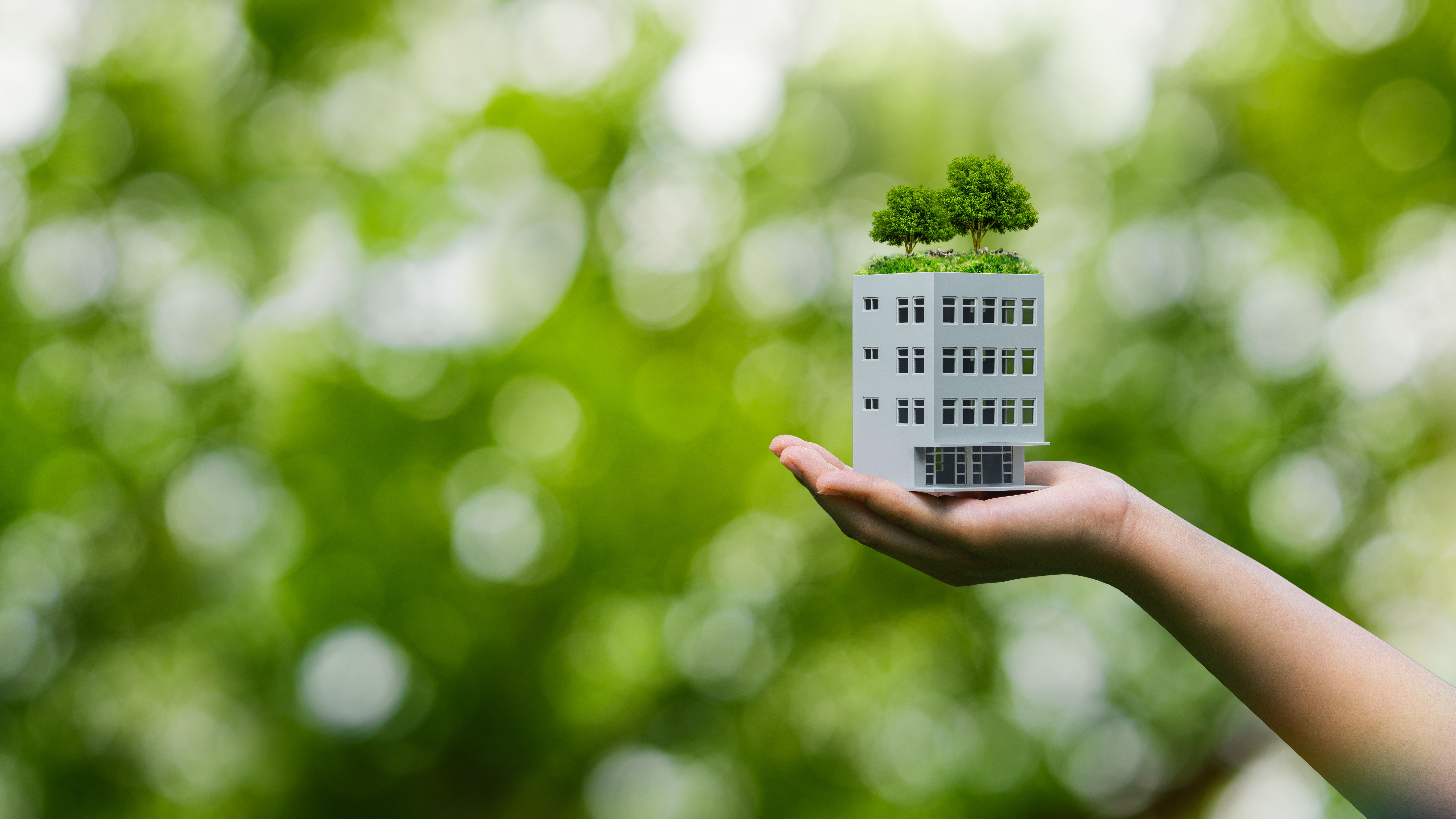
One of the most significant changes in sustainable construction is the use of eco-friendly materials. These materials are often sourced locally, reducing transportation emissions and supporting the local economy. Commonly used materials include reclaimed wood, recycled steel, and bamboo.
Additionally, builders are increasingly turning to non-toxic paints and finishes to minimize indoor air pollution. These choices contribute to healthier living and working environments, which is a crucial aspect of sustainable building.
Energy Efficiency
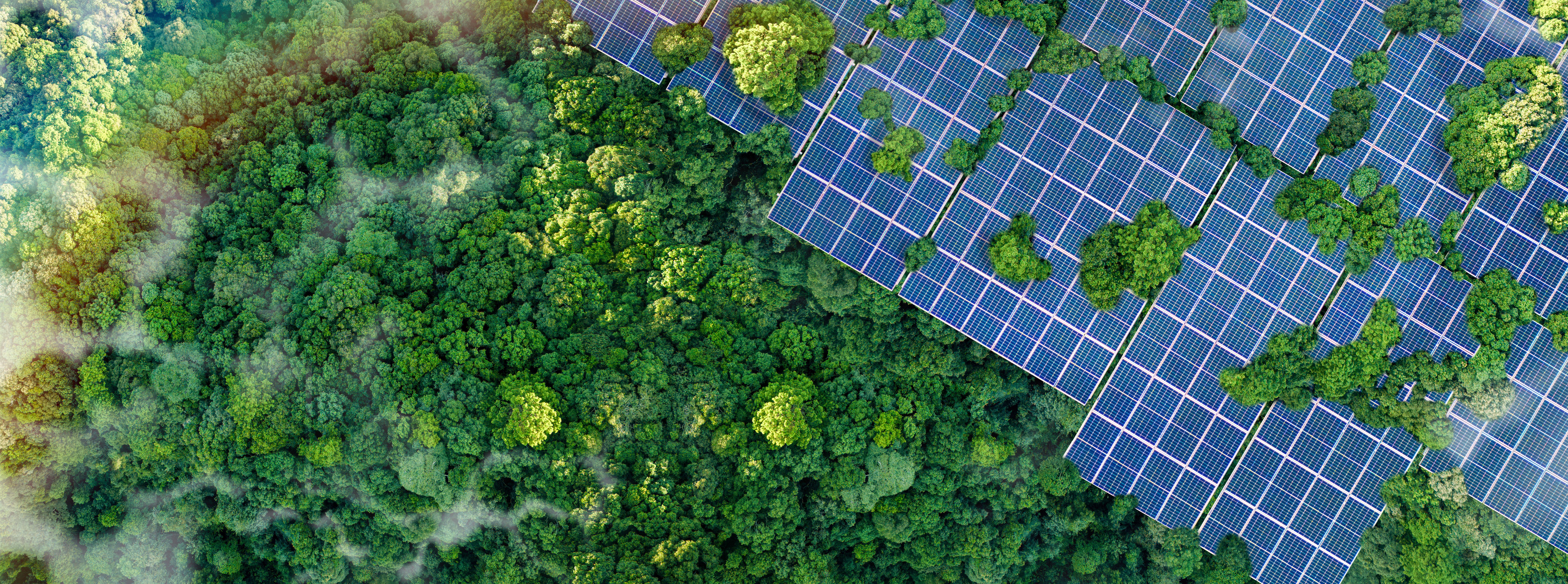
Incorporating energy-efficient systems is another cornerstone of sustainable building practices. Solar panels, energy-efficient HVAC systems, and LED lighting are becoming standard in new constructions across California.
By prioritizing energy efficiency, buildings can significantly reduce their energy consumption, leading to lower utility bills and a smaller environmental impact. This approach not only benefits the planet but also provides financial savings for property owners.
Water Conservation
Water scarcity is a pressing issue in California, making water conservation a critical component of sustainable building. Builders are implementing systems like rainwater harvesting and greywater recycling to reduce water waste.
Low-flow fixtures and drought-resistant landscaping further contribute to water conservation efforts. These practices help ensure that buildings remain sustainable even in areas with limited water resources.
Green Certifications
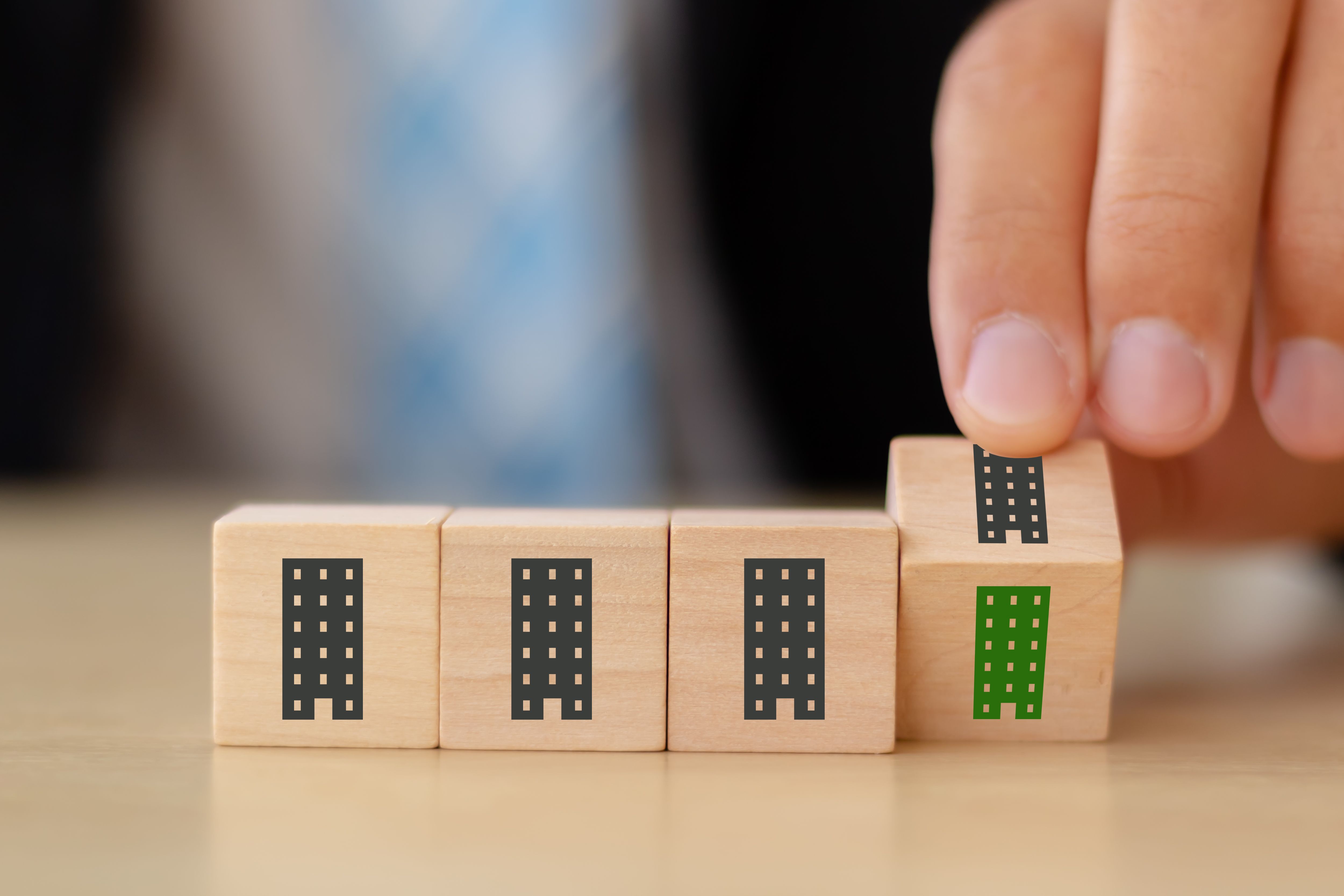
To encourage and recognize sustainable building practices, various green certifications have been established. LEED (Leadership in Energy and Environmental Design) is one of the most well-known certifications, providing a framework for healthy, efficient, and sustainable buildings.
Buildings that achieve these certifications are often more attractive to buyers and tenants who value environmental responsibility. This trend is driving more developers to pursue green certifications for their projects.
Future of Sustainable Construction
As technology continues to advance, the future of sustainable construction looks promising. Innovations such as smart building systems and advanced materials are set to further enhance efficiency and sustainability.
The construction industry in California is poised to continue leading the way in sustainable building practices, setting an example for other regions to follow. By embracing these practices, we can create healthier, more resilient communities for generations to come.