
Sustainable Building Practices in California: Trends and Innovations


Introduction to Sustainable Building Practices
As California continues to lead the charge in environmental stewardship, sustainable building practices are becoming more than just a trend—they're a necessity. With increasing awareness about climate change and resource conservation, the construction industry is evolving to meet new standards that prioritize sustainability.
Green Building Materials
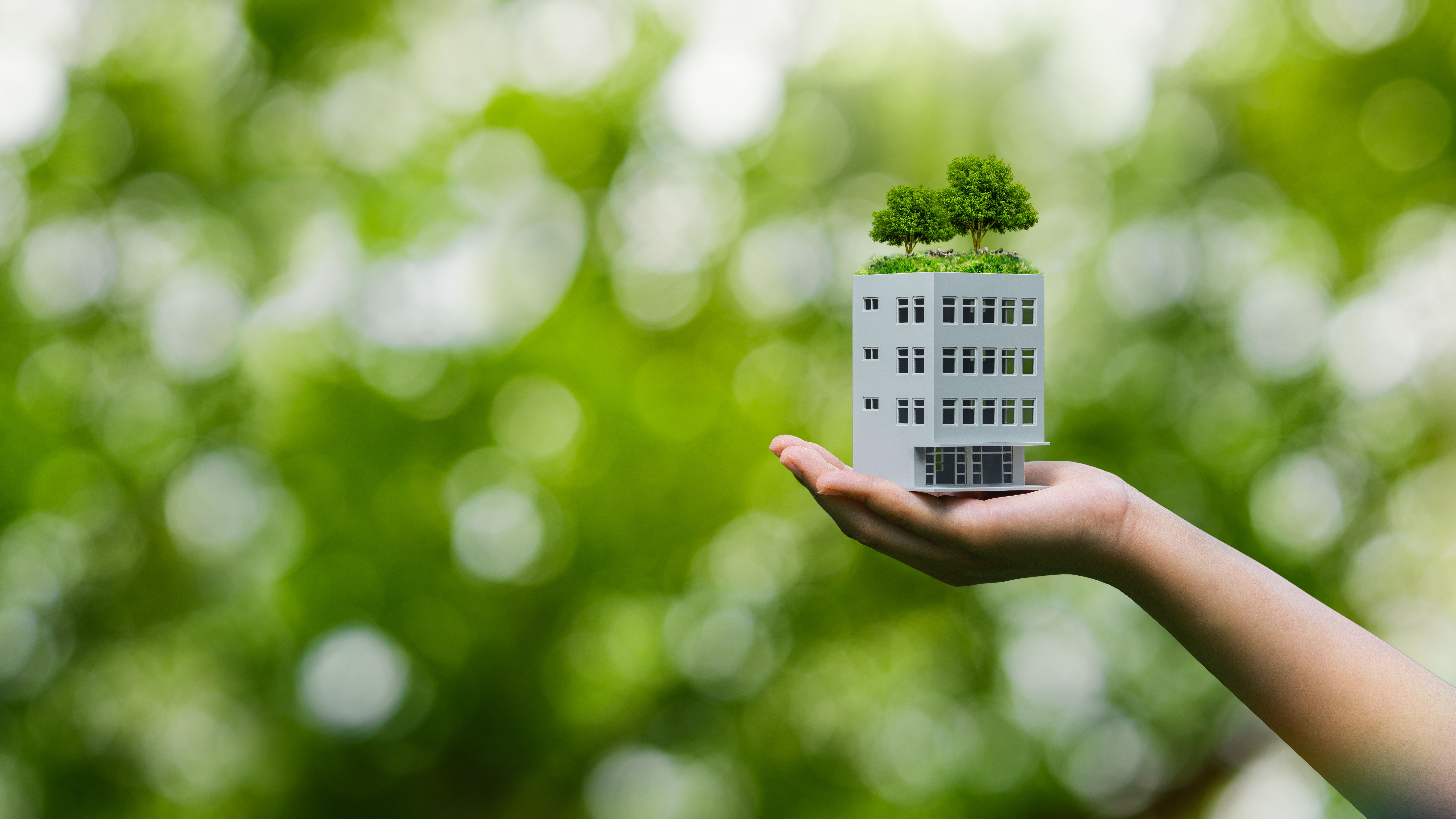
The use of green building materials is a cornerstone of sustainable construction. From recycled steel to bamboo flooring, these materials are sourced and manufactured in ways that reduce environmental impact. California's building codes increasingly support the integration of such materials, providing incentives for developers who choose sustainable options.
Some of the most popular sustainable materials include:
- Recycled Steel – Reduces the need for mining and conserves resources.
- Bamboo – A rapidly renewable resource known for its strength and versatility.
- Reclaimed Wood – Offers a rustic aesthetic while reducing deforestation.
Innovative Design Techniques
Innovative design plays a crucial role in sustainable building practices. Architects and builders are increasingly focusing on designs that maximize energy efficiency and minimize waste. Passive solar design, for instance, leverages the sun's energy to heat and cool buildings naturally.
Energy-Efficient Systems
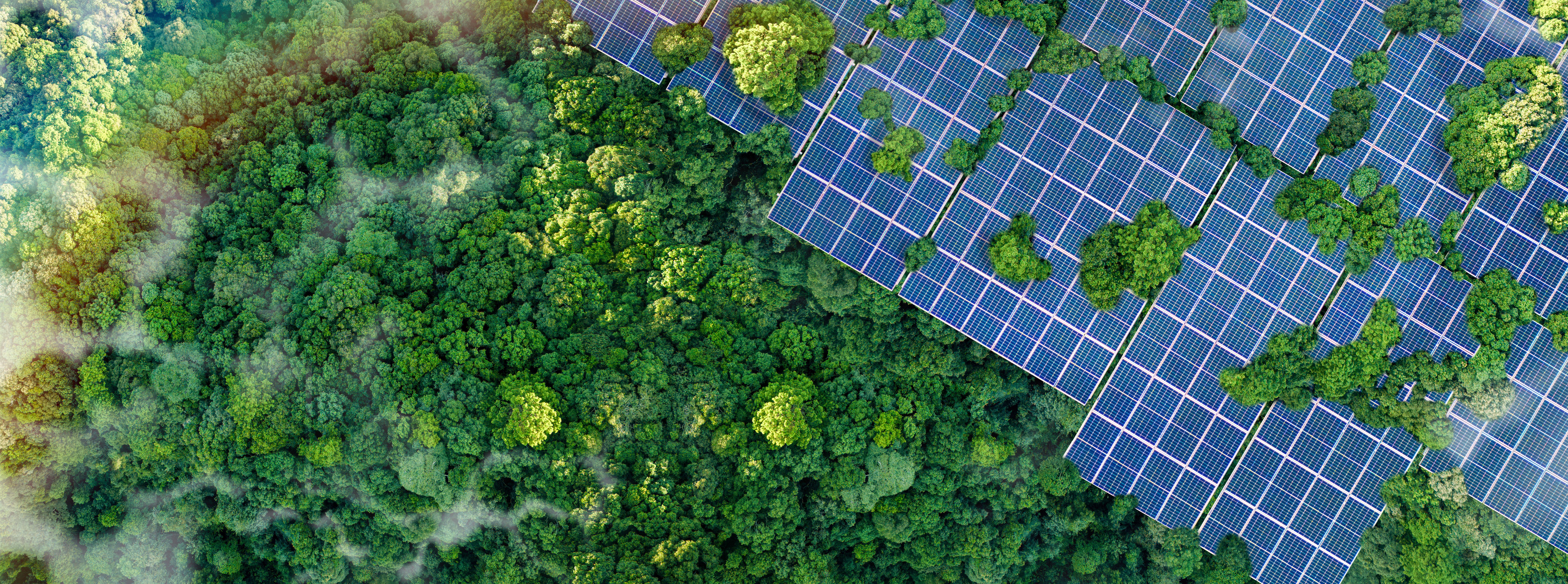
Energy efficiency is a major focus in sustainable building. Modern buildings in California often incorporate systems like geothermal heating, advanced HVAC systems, and smart home technologies. These innovations not only reduce energy consumption but also lower utility costs for residents and businesses.
Water Conservation Strategies
Water conservation is another critical component of sustainable building in California. Given the state's history of droughts, innovative water-saving techniques are essential. Builders are increasingly implementing systems that capture and reuse rainwater, alongside low-flow plumbing fixtures that significantly reduce water usage.

Landscaping and Xeriscaping
In addition to indoor water-saving measures, sustainable landscaping practices like xeriscaping are gaining traction. This involves designing landscapes that require minimal irrigation by using drought-resistant plants and efficient watering systems.
Government Incentives and Regulations
The government plays a pivotal role in promoting sustainable building practices. California has established stringent regulations and attractive incentives that encourage green building. From tax credits to rebates, these incentives make it economically viable for developers to invest in sustainability.
Some key government initiatives include:
- California Green Building Standards Code (CALGreen) – Sets mandatory sustainability standards for all new buildings.
- Energy Upgrade California – Offers rebates for energy-efficient home improvements.
Looking to the Future
The future of sustainable building in California looks promising. With continuous advancements in technology and increased public awareness, the state is set to remain at the forefront of the green building movement. As more stakeholders embrace sustainability, the impact on the environment and the economy is expected to be profoundly positive.

In conclusion, sustainable building practices are reshaping California's construction landscape. By integrating innovative materials, design techniques, and conservation strategies, the state is not only addressing environmental challenges but also setting a global standard for sustainable development.