
The Future of Residential Architecture: Embracing Modern Trends


Introduction to Modern Residential Architecture
The landscape of residential architecture is evolving rapidly, shaped by technological advancements, sustainability concerns, and changing lifestyles. As homeowners seek spaces that reflect their values and cater to their needs, architects are embracing modern trends to create innovative and functional homes.
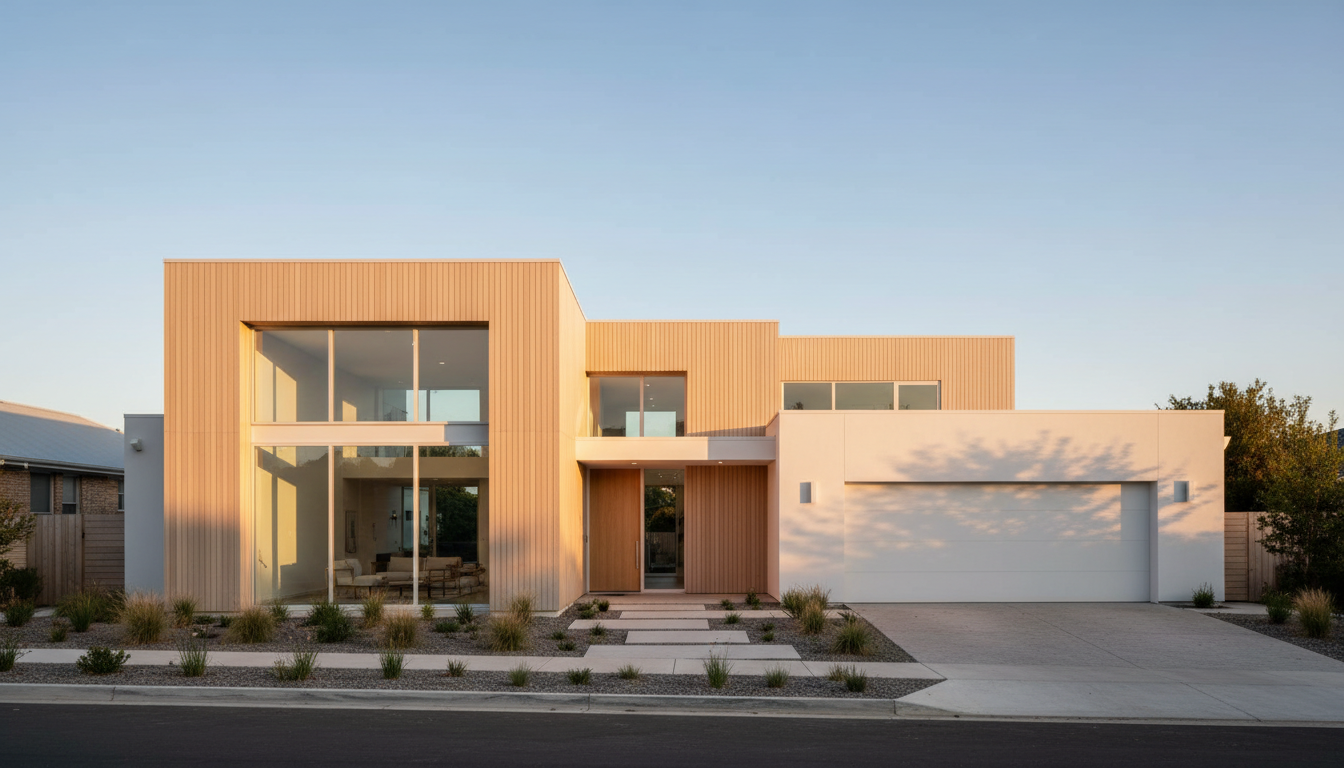
Technological Integration
One of the most significant trends in residential architecture is the integration of technology. Smart homes equipped with automation systems provide convenience, security, and energy efficiency. These systems allow homeowners to control lighting, heating, and security remotely, enhancing the overall living experience.
Furthermore, the use of virtual reality (VR) and augmented reality (AR) in the design process allows architects and clients to visualize projects in unprecedented detail. This technology enables better decision-making and customization, ensuring the final product aligns with the homeowner's vision.
Sustainability and Eco-Friendly Design
As environmental awareness grows, sustainable architecture has become a priority. Modern homes are increasingly designed with eco-friendly materials and energy-efficient systems. Solar panels, green roofs, and rainwater harvesting systems are becoming standard features in new constructions.
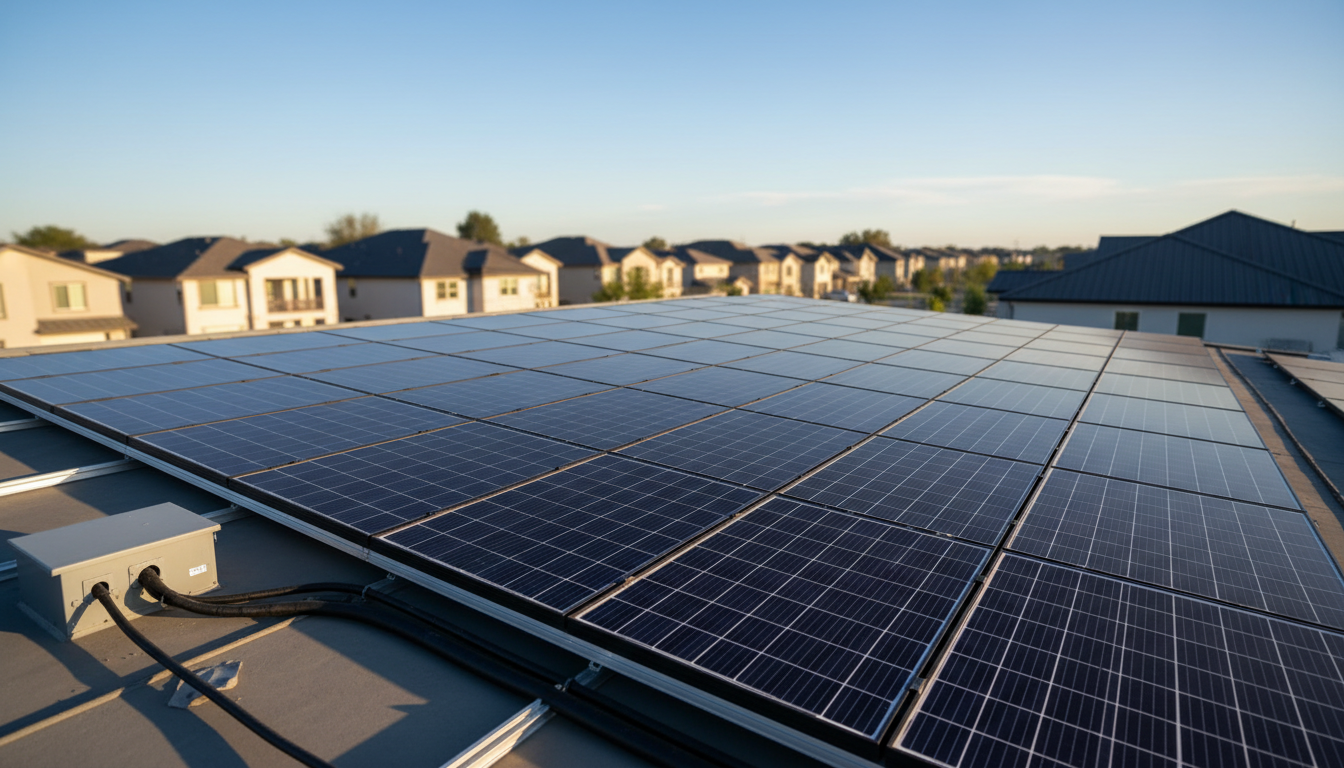
Architects are also focusing on passive design strategies, which maximize natural light and ventilation, reducing the need for artificial heating and cooling. This not only lowers energy costs but also minimizes the home's carbon footprint.
Open and Flexible Spaces
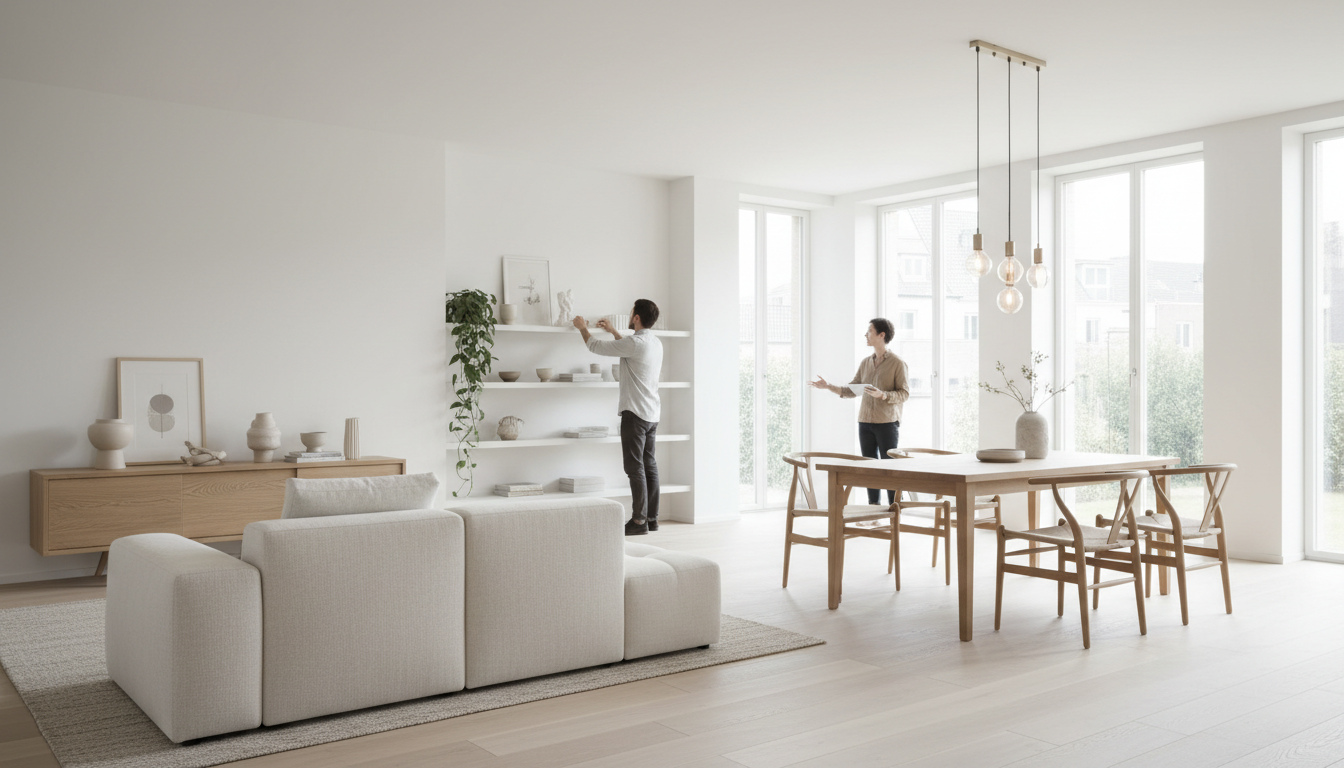
The traditional layout of separate rooms is giving way to open and flexible spaces. Modern homes are designed to accommodate various activities and lifestyles, with movable walls and multifunctional furniture that allow for easy reconfiguration.
This trend reflects a shift towards communal living, where spaces are designed to foster interaction and connection. Whether it's a family gathering in a spacious kitchen or a home office that transforms into a guest room, flexibility is key.
Biophilic Design
Biophilic design, which seeks to connect inhabitants with nature, is gaining popularity. By incorporating natural elements such as wood, stone, and plants, architects create calming and restorative environments that enhance well-being.
Large windows and indoor gardens are common features, blurring the line between indoor and outdoor spaces. This connection to nature is believed to reduce stress and improve mental health, making it a valuable aspect of modern residential architecture.
The Role of Minimalism
Minimalism continues to influence residential architecture, focusing on simplicity and functionality. Clean lines, uncluttered spaces, and a neutral color palette create a sense of calm and order. This aesthetic is not only visually appealing but also promotes a more mindful and intentional way of living.
By reducing excess and focusing on essentials, minimalism encourages homeowners to prioritize quality over quantity, leading to more meaningful and sustainable living environments. As these trends continue to evolve, the future of residential architecture promises to be both innovative and deeply aligned with the needs and values of modern society.