
The Future of Sustainable Building Practices in California: What Homeowners Need to Know


California has long been a leader in sustainable building practices, driven by its commitment to environmental responsibility and innovation. As we look toward the future, homeowners in the Golden State need to understand the evolving landscape of eco-friendly construction. This knowledge will empower them to make informed decisions that benefit both their living environments and the planet.
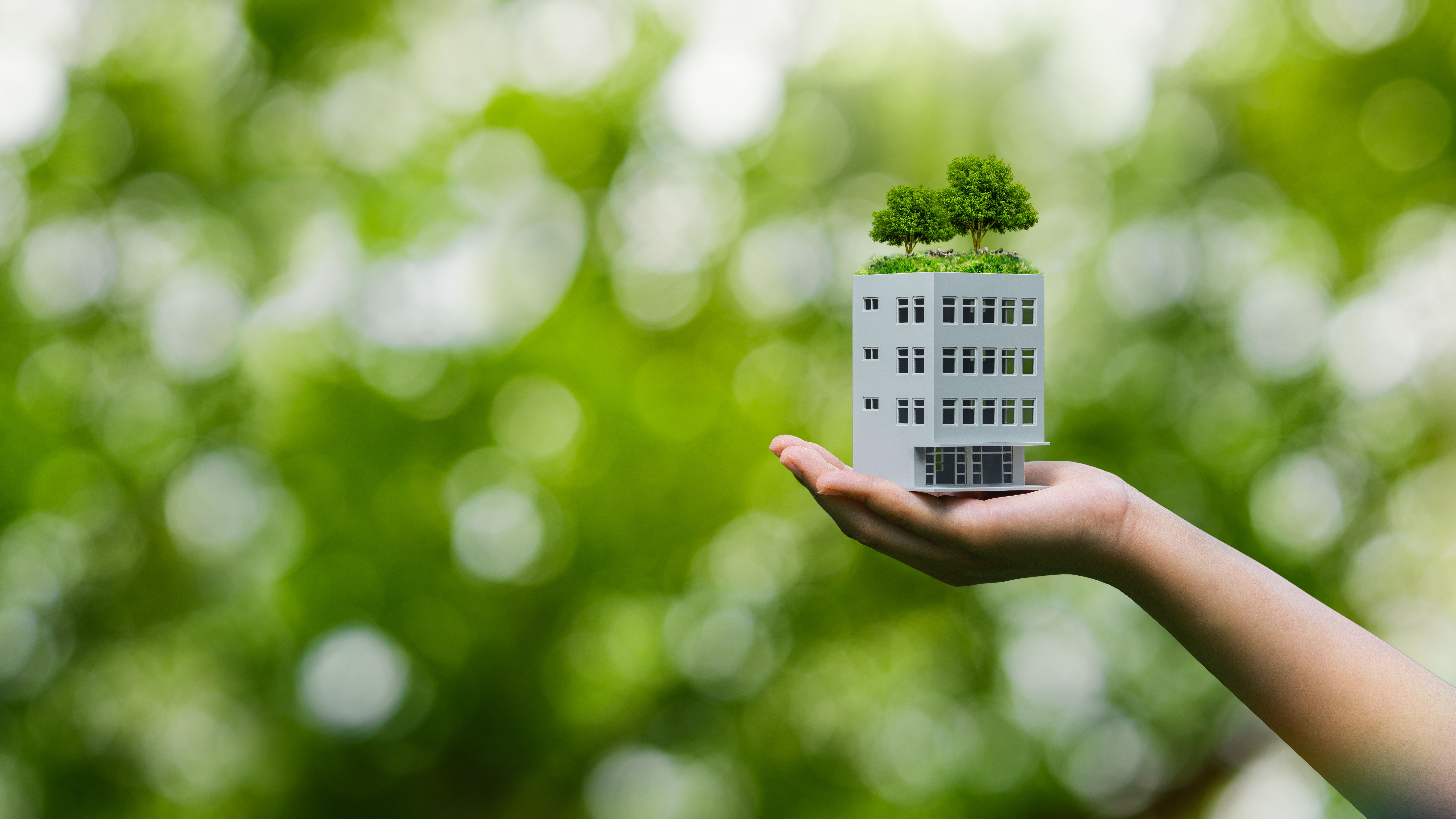
Understanding Sustainable Building Materials
One of the most significant advancements in sustainable building is the use of eco-friendly materials. Homeowners can now choose from a variety of options that minimize environmental impact without sacrificing quality or aesthetics. From recycled steel to bamboo flooring, these materials are designed to reduce waste and enhance energy efficiency.
For those interested in reducing their carbon footprint, opting for locally sourced materials is also a compelling choice. This approach not only supports local economies but also reduces transportation emissions, further contributing to a sustainable future.
The Role of Renewable Energy
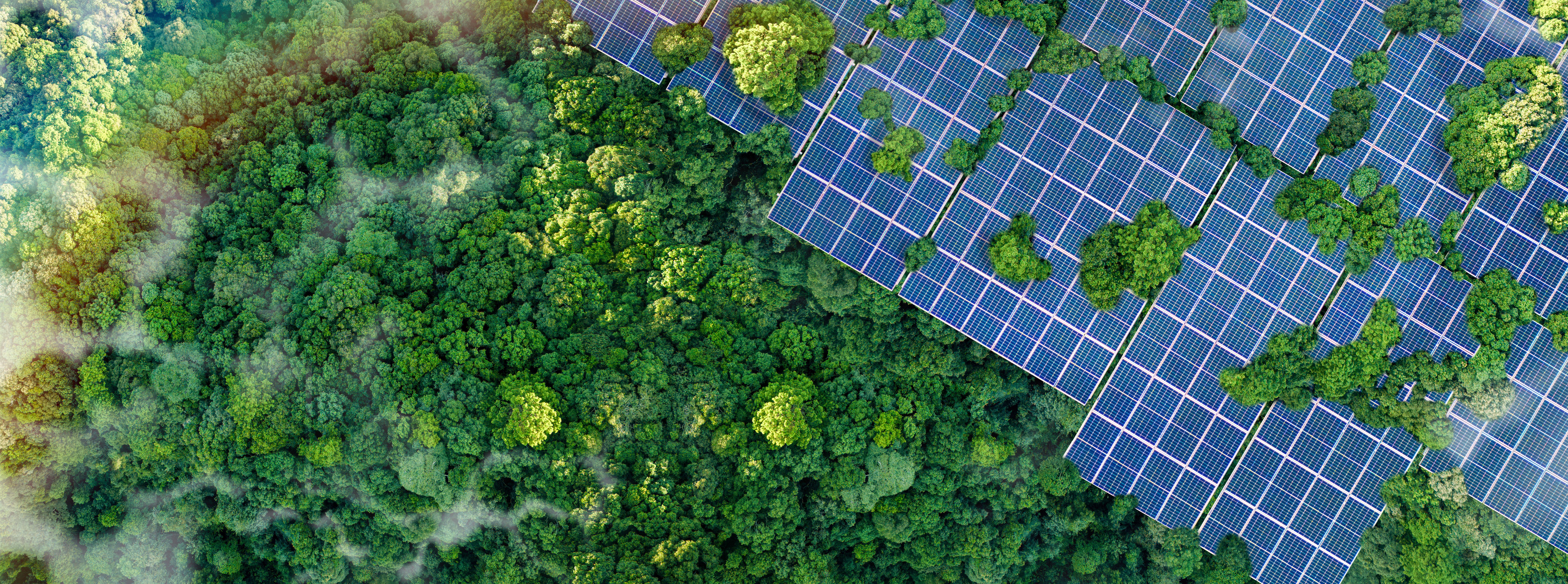
Renewable energy is at the forefront of sustainable building practices in California. Homeowners are increasingly adopting solar panels, wind turbines, and geothermal systems to power their homes. These technologies offer a dual benefit: reducing reliance on fossil fuels and lowering utility bills.
Investing in renewable energy solutions is becoming more accessible, thanks in part to state incentives and rebates. Homeowners can explore various programs that make the transition to clean energy more affordable.
Green Building Certifications
Green building certifications, such as LEED (Leadership in Energy and Environmental Design) and CALGreen, are vital for ensuring that homes meet specific sustainability standards. These certifications provide homeowners with a benchmark for assessing the environmental performance of their properties.
Achieving certification can lead to numerous benefits, including increased property value and improved indoor air quality. Homeowners are encouraged to consider these certifications when planning new construction or renovations.
Water Conservation Strategies
Water scarcity is a pressing issue in California, making water conservation a critical component of sustainable building practices. Homeowners can adopt low-flow fixtures, rainwater harvesting systems, and drought-resistant landscaping to reduce water usage.
Implementing these strategies not only conserves a precious resource but also results in lower water bills and a more resilient home environment.

Smart Home Technology
Smart home technology is revolutionizing sustainable living by offering innovative ways to monitor and control energy consumption. Homeowners can utilize smart thermostats, lighting systems, and appliances to optimize energy use and reduce waste.
These technologies provide real-time data and analytics, enabling homeowners to make informed decisions about their energy habits. As a result, smart home systems are becoming an integral part of sustainable building practices.
The Future of Sustainable Living
As California continues to push the boundaries of sustainable building, homeowners will play a crucial role in shaping the future of eco-friendly living. By staying informed and embracing new technologies and practices, they can contribute to a more sustainable and resilient environment.
Ultimately, the future of sustainable building in California is bright. The combination of innovative materials, renewable energy, and smart technology promises a new era of environmentally responsible living for homeowners across the state.