
The Impact of Regional Weather on Construction Projects in Solano County
Understanding Solano County's Climate
Solano County, located in Northern California, experiences a Mediterranean climate, characterized by wet winters and dry summers. This climate significantly impacts construction projects, as contractors must strategically plan to accommodate seasonal weather changes. Understanding these patterns is crucial for timely and efficient project completion.

Winter Challenges
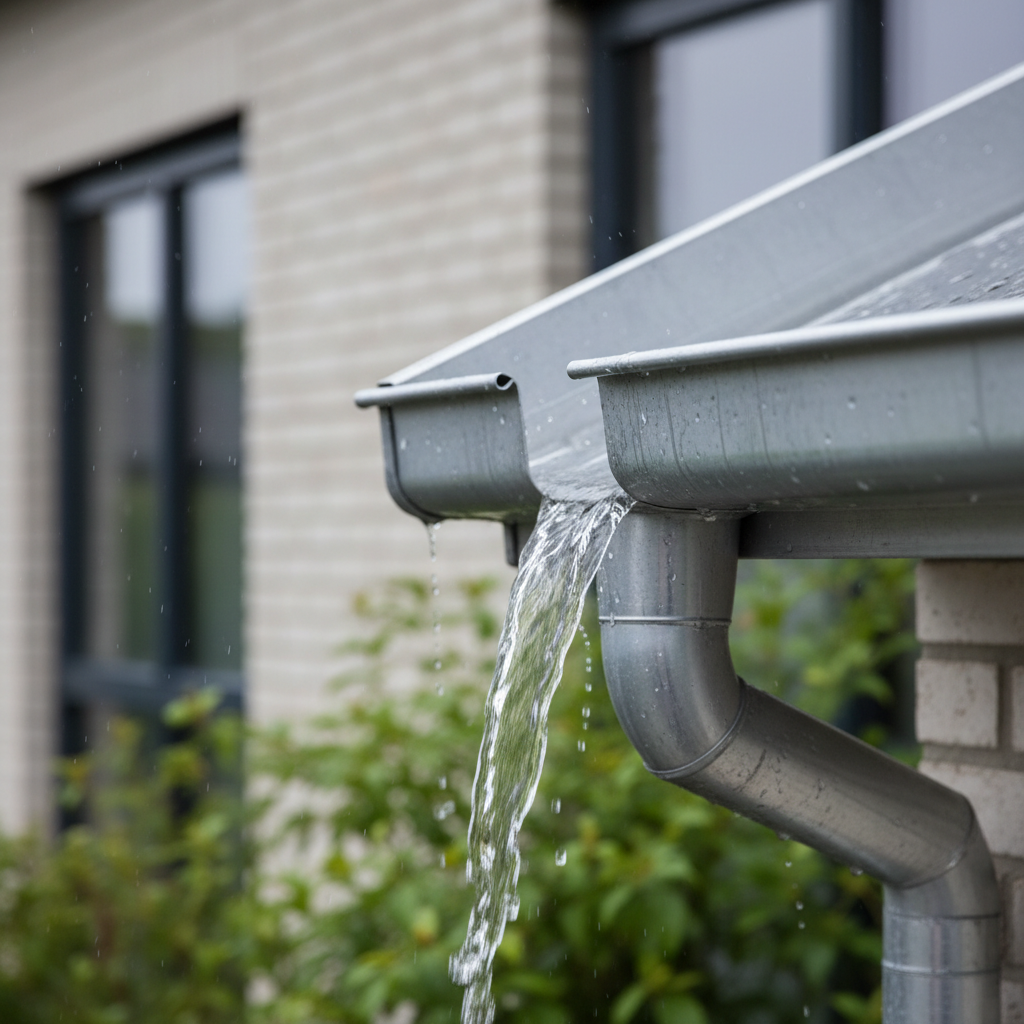
During winter, Solano County receives the majority of its annual rainfall. Heavy rains can lead to saturated ground, making it difficult for construction equipment to operate effectively. This can cause delays, as certain tasks, like concrete pouring or laying foundations, require dry conditions.
Additionally, winter storms can lead to unforeseen setbacks. It’s essential for project managers to monitor weather forecasts closely and adjust timelines to minimize the impact on productivity. Ensuring proper drainage at construction sites can also mitigate some of these issues.
Summer Heat Considerations
In contrast, the dry, hot summers pose different challenges. High temperatures can affect workers' health and safety, necessitating additional breaks and hydration strategies. Moreover, extreme heat can impact materials; for example, concrete may set too quickly, reducing its strength and durability.
Project managers often schedule labor-intensive tasks for early mornings or late afternoons to avoid peak temperatures. Proper planning and resource allocation during these months are vital to maintain progress without compromising quality.
Wind and Its Effects
Wind is another factor that can disrupt construction activities in Solano County. Strong gusts can pose safety risks, especially for tasks involving cranes or scaffolding. High winds can also lead to debris being blown around, potentially causing damage or injury.
It is essential to secure materials and equipment adequately and to halt operations when wind speeds exceed safe limits. Regular safety training and adherence to wind safety protocols ensure that construction projects can proceed with minimal risk.
Adapting to Weather Variability
Given the variability of weather in Solano County, flexibility and adaptability are key. Construction companies often develop contingency plans to address potential weather-related interruptions. These plans might include adjusting work schedules, using weather-resistant materials, or implementing temporary weatherproofing solutions.
Utilizing technology, such as weather-tracking apps and predictive analytics, can also help in making informed decisions, ensuring that projects remain on track despite the challenges posed by regional weather.
Conclusion: Strategic Planning for Success
In conclusion, while the weather in Solano County presents specific challenges for construction projects, strategic planning and proactive management can mitigate these effects. By understanding the regional climate and employing adaptive strategies, construction companies can ensure successful project completion, regardless of the weather conditions.